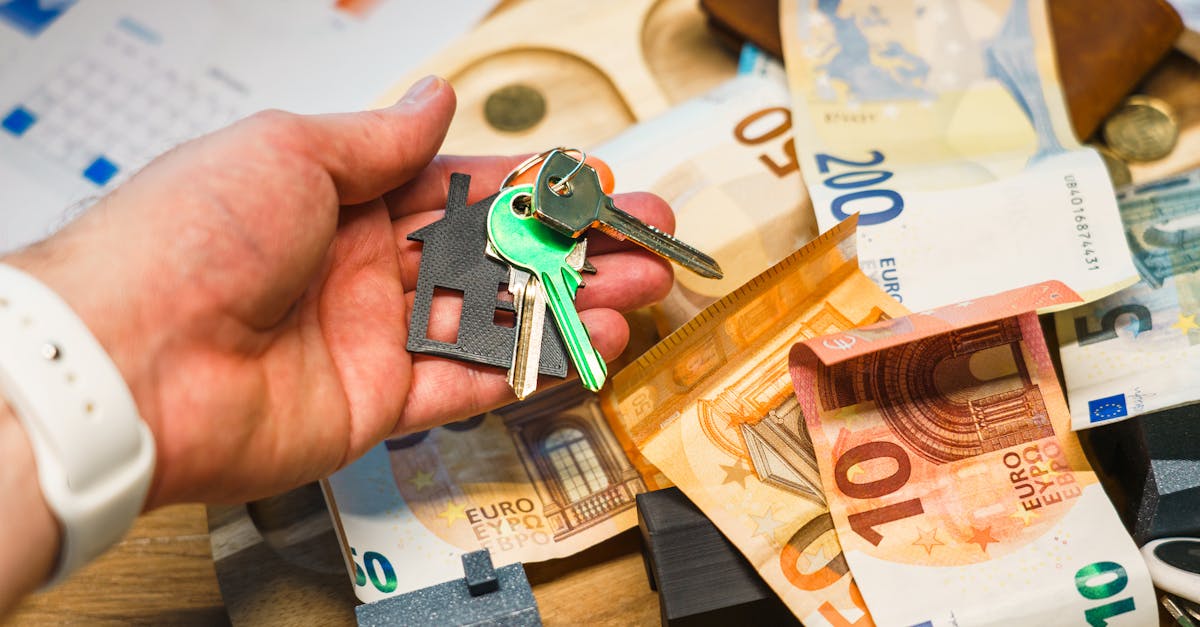
How to Save for a House Down Payment Faster
Buying a home feels like trying to climb a mountain while carrying a backpack full of rocks. You see the summit, but the sheer weight of the down payment often makes the journey feel impossible. Most people spend years staring at their bank account, wondering why the balance is not growing fast enough. If you are tired of renting and ready to claim your own piece of land, you need a strategy that goes beyond just saving pennies. Let us break down exactly how you can accelerate your path to those front door keys.
Conducting a Brutal Financial Audit
Before you can save, you need to know exactly where your money is hiding. Think of your bank statements as a crime scene. You need to investigate every transaction. Print out the last three months of your spending and categorize everything. Did you really need those subscription services you never use? Is your takeout habit costing you more than a car payment? Being honest with yourself is the first step toward building a war chest for your future home.
Budgeting Hacks That Actually Work
Budgeting is often treated like a diet that everyone eventually quits. To make it work, stop viewing it as a restriction and start viewing it as a game of optimization. Use the 50/30/20 rule, but adjust it for your goals. If you are aggressive, aim for a 50/20/30 split where 30 percent goes directly into a dedicated housing fund. Give every dollar a job before the month starts so it cannot wander off into impulse purchases.
Why an Emergency Fund Comes First
It sounds counterintuitive to save for an emergency when you are trying to buy a house, but listen closely: life loves to throw curveballs. If your car breaks down or you have a medical bill while you are saving for a house, you will be forced to raid your down payment fund. An emergency fund acts as a shock absorber. Without it, you are one bad day away from resetting your progress to zero.
The Power of High Yield Savings Accounts
If your money is sitting in a traditional bank account earning zero interest, you are effectively paying the bank to hold your cash. Inflation is a silent thief that eats away at your purchasing power every single day. Move your house savings into a High Yield Savings Account (HYSA). These accounts offer significantly higher interest rates, allowing your money to grow in the background while you sleep.
Automating Your Path to Success
Willpower is a finite resource. If you rely on your own ability to manually transfer money every month, you will eventually forget or talk yourself out of it. Set up an automatic transfer for the day your paycheck hits your account. When the money never enters your checking account, you never get the chance to spend it. Treat your savings like a tax you owe to your future self.
Boosting Income Through Strategic Side Hustles
There is a limit to how much you can cut, but there is no limit to how much you can earn. In the modern gig economy, you can pick up freelance work, start a side business, or sell items you no longer use. Dedicate 100 percent of your side hustle income toward your house fund. By doing this, you are not touching your regular salary, and you are effectively supercharging your savings rate.
Cutting the Fat: Identifying Lifestyle Creep
Lifestyle creep is the phenomenon where your spending rises to match your income. You got a raise, so you got a better car. You got a promotion, so you started eating out more. To reach your down payment goal faster, you must reverse this. Live like a student even when you are earning a professional salary. Every dollar saved is a dollar closer to ownership.
Tackling High Interest Debt Simultaneously
High interest debt, like credit cards, acts as an anchor on your financial ship. If you are paying 20 percent interest on a balance, you are losing money faster than you can save it. Pay off high interest debt before you go all in on a down payment. Once that debt is gone, redirect those monthly payments directly into your house savings account.
Exploring Down Payment Assistance Programs
Did you know there are programs designed to help you get into a home? Many local governments and non profits offer grants or low interest loans for first time buyers. These are essentially free money or deferred payments that can bridge the gap between where you are and where you need to be. Do your research on state specific programs; you might be surprised by what is available.
The Risks and Rewards of Short Term Investing
Investing in the stock market is tempting when you want your money to grow fast. However, if you plan to buy a house in less than three years, the market is too volatile. You do not want your down payment to drop 20 percent right before you make an offer. Stick to low risk vehicles like government bonds or insured savings products to ensure your capital remains safe.
How Your Credit Score Lowers Your Requirements
A higher credit score does not just get you a lower interest rate; it can sometimes qualify you for loan programs that require a smaller down payment. A 760 score is like a golden ticket. It makes your future mortgage payments cheaper, which leaves more room in your budget for other goals. Treat your credit score as a vital part of your financial health.
The Reality of Buying with a Partner
Combining finances with a partner is one of the fastest ways to double your savings rate. However, it requires extreme transparency. If you choose this route, sit down and map out exactly how much each person will contribute. Have a legal plan in place if things do not work out. Buying with someone else is a massive accelerant, but it needs to be built on a foundation of absolute trust.
Staying Motivated During the Long Haul
Saving for a house can feel lonely and dull. Keep your eyes on the prize. Create a visual tracker on your wall. When you hit a milestone, celebrate with a small, budget friendly reward. Remind yourself that every sacrifice you make today is buying you security and a permanent place to call your own for the rest of your life.
Conclusion: Reaching the Finish Line
Saving for a down payment is a test of discipline, strategy, and patience. By automating your savings, cutting out the noise in your budget, and finding ways to boost your income, you will stop spinning your wheels and start making real progress. It is not about how much you make, but how much you keep and how strategically you grow it. Start today, stay the course, and soon enough, you will be handing over that check for your very first home.
Frequently Asked Questions
1. How much should I actually save for a down payment?
While 20 percent is the gold standard to avoid private mortgage insurance, many lenders offer programs for as low as 3 to 5 percent. Aim for at least 10 percent if you can, as it gives you a much better position during negotiations.
2. Should I pay off my car before buying a house?
It depends on the interest rate. If your car loan has a high interest rate, pay it off. If it is low, keep paying the minimum and put your extra cash toward the down payment. Lenders look at your debt to income ratio, so reducing monthly obligations is usually helpful.
3. Is it better to save or pay off debt?
Always prioritize high interest debt, such as credit cards. If you have low interest student loans, you can usually balance paying those down while saving for a house simultaneously.
4. How do I find down payment assistance programs?
Search for the housing finance agency in your state or city. You can also ask local real estate agents, as they often know which programs are currently active in your specific market.
5. Can I use gifts from family for a down payment?
Yes, but it must be documented correctly. Lenders usually require a gift letter stating that the money is a gift and not a loan that needs to be repaid. Check with your lender before depositing any large sums of money.